
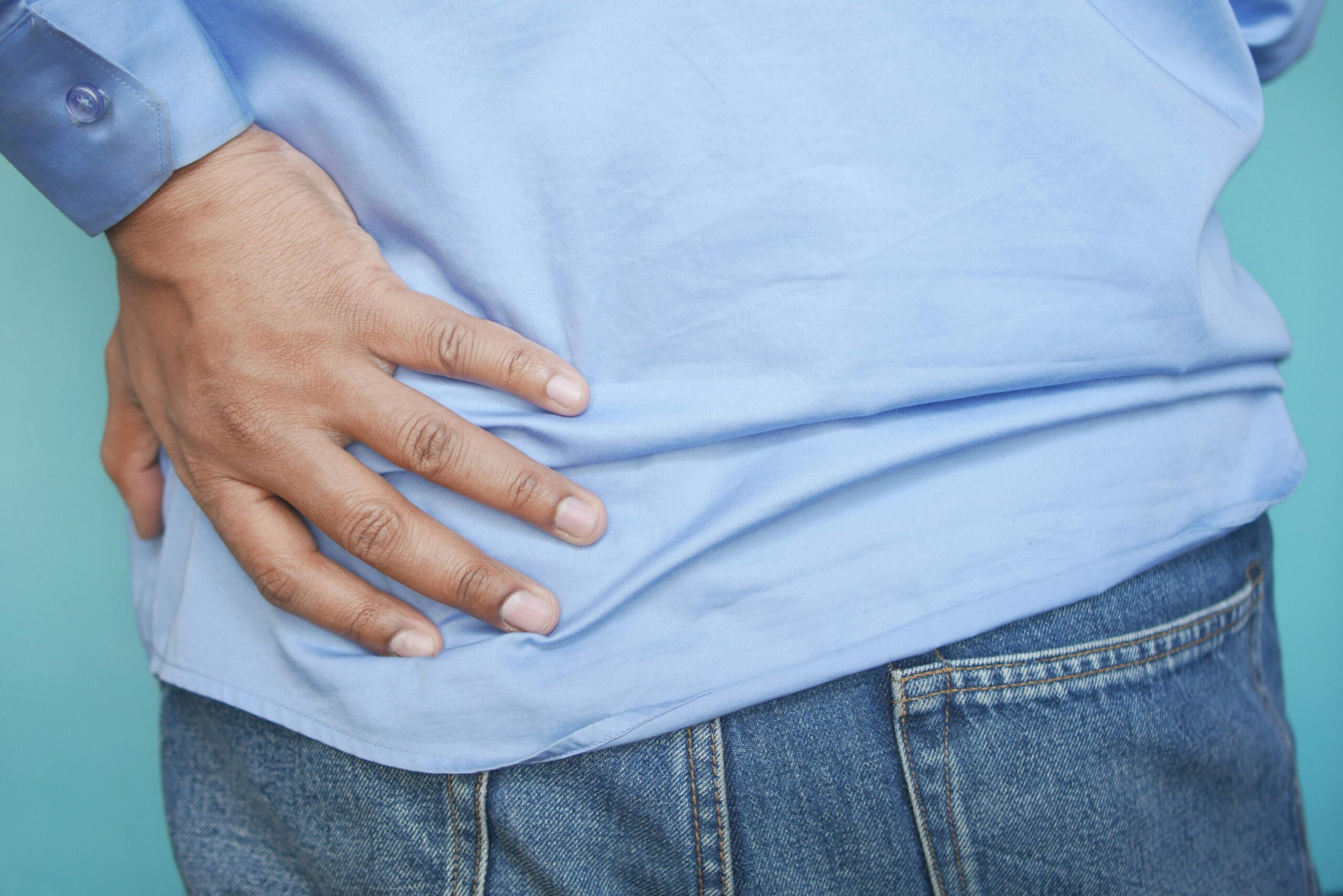
Hip pain can start subtly – a slight stiffness in the morning, discomfort when walking, or a dull ache after sitting for long periods. Left unaddressed, it can begin to affect how you move, exercise, and even sleep.
The good news is that most hip pain responds very well to the right treatment; especially when it’s identified early.
What Does Hip Pain Feel Like?
Hip pain doesn’t always present in the same way. You might notice:
- A deep ache in the groin or outer hip
- Stiffness when getting up from sitting
- Pain when walking, climbing stairs, or lying on one side
- Reduced range of movement
Sometimes, what feels like hip pain may actually be coming from the lower back or surrounding muscles.
Common Causes of Hip Pain
Understanding the cause is key to effective treatment. Some of the most common include:
1. Muscle or Tendon Strain
Often linked to increased activity or changes in exercise routines.
2. Tendinopathy
Persistent pain on the outside of the hip (often called gluteal tendinopathy), particularly common in women over 40.
3. Hip Joint Irritation or Arthritis
Gradual wear and tear can lead to stiffness and reduced mobility.
4. Referred Pain from the Lower Back
The hip and lower back are closely connected; pain in one can often be felt in the other.
When Should You Seek Help?
It’s worth seeking professional advice if:
- Pain has lasted more than a couple of weeks
- It’s affecting your sleep or daily movement
- You’ve had recurring flare-ups
- You’re avoiding activity because of discomfort
Early assessment can prevent a minor issue from becoming a longer-term problem.
How Osteopathy and Physiotherapy Can Help
At Osteo & Physio, treatment goes beyond just easing symptoms. We focus on understanding why the pain is happening.
Your treatment plan may include:
- Hands-on therapy to reduce pain and improve mobility
- Targeted exercises to strengthen supporting muscles
- Movement and posture advice tailored to your lifestyle
You can learn more about how we approach treatment on our Hip & Lower Back Pain page.
Simple Steps You Can Take Now
While waiting for an appointment, you can:
- Keep gently active (avoid complete rest)
- Apply heat to ease stiffness
- Avoid prolonged sitting in one position
Small changes can make a meaningful difference.
Conclusion
Hip pain is common—but it isn’t something you need to “just live with.” With the right support, most people see significant improvement and return to the activities they enjoy.
If hip pain is starting to limit your movement or confidence, we’re here to help.
Book an appointment with our experienced team today and take the first step towards moving more comfortably again.