
Imaging & Injection Therapies
Injection therapies are used for a variety of conditions primarily affecting the joints and associated tissues.
Osteo and physio offers a range of different injections depending on the condition:
- Arthrosamid®
- Platelet-Rich Plasma (PRP) Injection Therapy
- Hyaluronic acid injections
- Cortisone injections
- Aspirations
Injection therapy in a nutshell
- Clinically proven ✓
- Safe and effective ✓
- Non-surgical ✓
- Speeds up recovery ✓
- Quick and accessible ✓
- Provided by experts ✓
To book an appointment, please give us a call on 03455577788 or use our online booking tool.
Arthrosamid® Joint Injection Therapy
Moderate to severe knee osteoarthritis: Where the protective cartilage has significantly worn
away.
Bone-on-bone joint pain: Providing a much-needed physical cushion between articulating bones.
Arthrosamid® is a specialized polyacrylamide hydrogel consisting of 97.5% water and 2.5% cross-linked polymer. While many traditional injections break down and leave the body over a few months, Arthrosamid® is non-degradable.
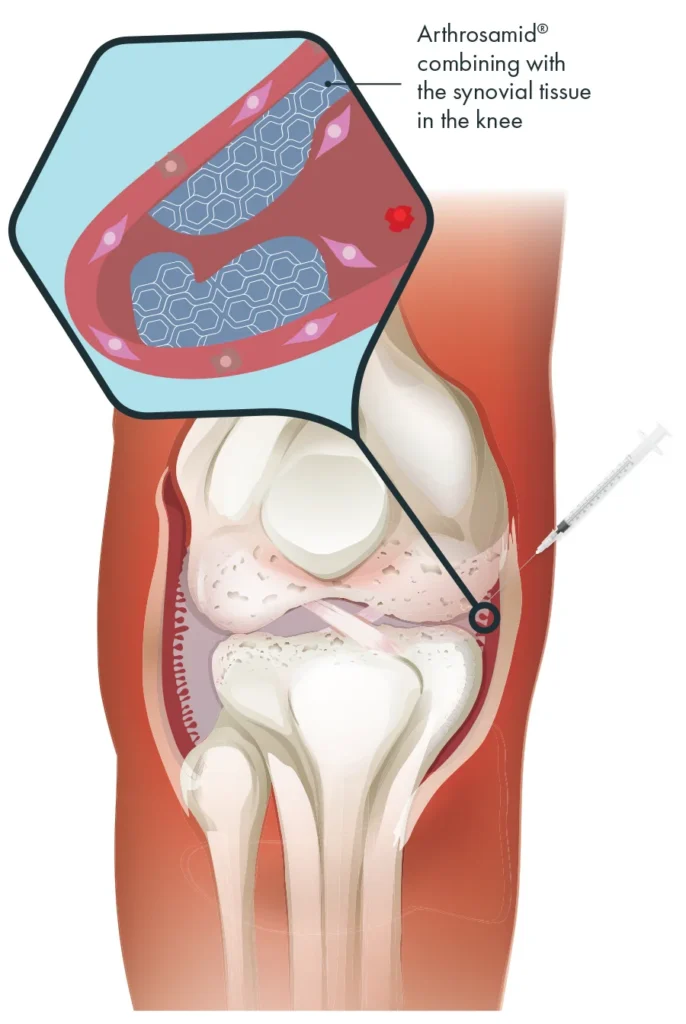
Rather than just temporarily masking pain, the hydrogel physically integrates into the synovial tissue (the inner lining of your joint capsule). As the tissue grows around the gel, it forms a permanent, soft scaffold.
This embedded layer works in two key ways: it restores vital lubrication and shock absorption to bone-on-bone areas, and it creates a physical “fire blanket” barrier that blocks the inflammatory signals responsible for the painful flare-ups associated with arthritis.
“Long-lasting cushioning for sustained joint relief.”
If you are living with moderate to severe knee osteoarthritis and have found no lasting relief from painkillers or physiotherapy, Arthrosamid® may be the ideal next step.
It is particularly suited for patients who want to delay or completely avoid joint replacement surgery. Because it is a single-injection treatment that integrates permanently into the joint lining, many patients report significant symptom relief lasting for several years.
Currently, Arthrosamid® is primarily licensed and utilized for:
- Knee osteoarthritis (moderate to severe)
- Patients seeking an alternative to knee replacement surgery
- Chronic joint pain unresponsive to conservative treatments
The procedure takes place in the clinic and usually lasts under 30 minutes. First, the skin around your knee is thoroughly cleaned with an antiseptic solution. A local anaesthetic is then injected to completely numb the area, ensuring you feel minimal discomfort.
Using ultrasound imaging to guide the needle precisely, your consultant will gently insert the needle into the joint space. If you have any excess inflammatory fluid in the knee, this will be drained first. Finally, the Arthrosamid® gel is injected.
Following the injection, the needle is removed, a small dressing is applied, and you will rest in the clinic for about 30 minutes for observation before heading home.
- Medication: You do not need to stop taking anti-inflammatory drugs (NSAIDs) prior to this treatment. However, because Arthrosamid acts as a permanent implant, your consultant will prescribe a dose of oral antibiotics to take 1 to 2 hours before your procedure to protect against infection.
- Preparation: There is no need to fast; you may eat and drink normally before your appointment. Wear loose, comfortable clothing that allows easy access to the knee.
- Transport: You will be given a local anaesthetic which can leave your knee feeling numb or heavy. You must not drive yourself home following the procedure, so please arrange alternative transport.
Arthrosamid® has a well-established safety profile, but because it introduces a non-degradable material into the joint, careful patient selection and sterile protocols are essential. Potential side effects include:
- Post-Injection Fullness: In the first 48 to 72 hours, as the thick gel settles into the joint space, it is very common to experience a sensation of tightness, fullness, or mild swelling.
- Injection Site Discomfort: You may feel mild to moderate pain or stiffness once the local anaesthetic wears off. You can use ice packs and take your regular painkillers or NSAIDs to manage this.
- Bruising: Minor bruising may occur around the needle insertion site.
- Infection: While rare, joint infection is the most serious risk with any intra-articular injection. Because Arthrosamid® does not dissolve, any infection must be treated promptly. If you notice severe heat, spreading redness, worsening swelling, or systemic fever in the days following the injection, you must contact the clinic immediately.
For most patients, the initial post-injection stiffness subsides within a few weeks, and the full cushioning and pain-relieving benefits of Arthrosamid® become most noticeable between weeks 4 and 12, lasting for years to come.
To book an appointment, please give us a call on 03455577788 or use our online booking tool.
Platelet-Rich Plasma (PRP) Injection Therapy
PRP falls under an innovative branch of medicine called “Orthobiologics.” This field focuses on combining advanced medical technology with the human body’s natural power to heal itself.
Human blood consists of plasma, red cells, white cells, and platelets. While platelets are most famous for their role in clotting blood, modern science has revealed they are also packed with growth factors that drive tissue recovery.
When released into the bloodstream, these growth factors regulate the complex biological processes required to mend worn or injured structures, particularly soft tissues.
The concentrated platelets used in PRP therapy hold massive reserves of these bioactive proteins. When introduced to an injury site, they jumpstart cellular regeneration, encourage the formation of new blood vessels, and rapidly accelerate the healing of connective tissues.
Conditions commonly treated:
- Plantar fasciitis
- General tendinopathy
- Chronic ligament damage and tendon tears
- Golfer’s and Tennis elbow
- Cartilage deterioration
- Rotator cuff injuries
- Arthritis in major joints (wrist, ankle, knee, hip)
- Osteonecrosis
- Spinal ligaments, facet joints, and sacroiliac (SI) joint pain
If you are struggling with a stubborn ligament or tendon injury, or if you suffer from rheumatoid or osteoarthritis that hasn’t improved with standard conservative care, PRP could be your ideal solution due to its concentrated payload of growth factors.
Compared to surgical intervention, PRP is vastly more affordable, completely minimally invasive, and carries a lower risk profile. It promotes organic tissue repair with virtually no scarring while helping to prevent further joint degeneration.
PRP is highly effective for both sudden (acute) injuries and long-standing (chronic) conditions.
- Medication: Please discontinue all non-steroidal anti-inflammatory drugs (NSAIDs) at least 48 hours prior to your appointment.
- Hydration: Drink roughly 1 to 2 litres of water an hour before your visit. Being well-hydrated ensures we can draw a high-quality blood sample easily.
- Transport: If you are receiving an injection in your leg, knee, or foot, you must avoid driving for 24 hours. Please arrange alternative transport.
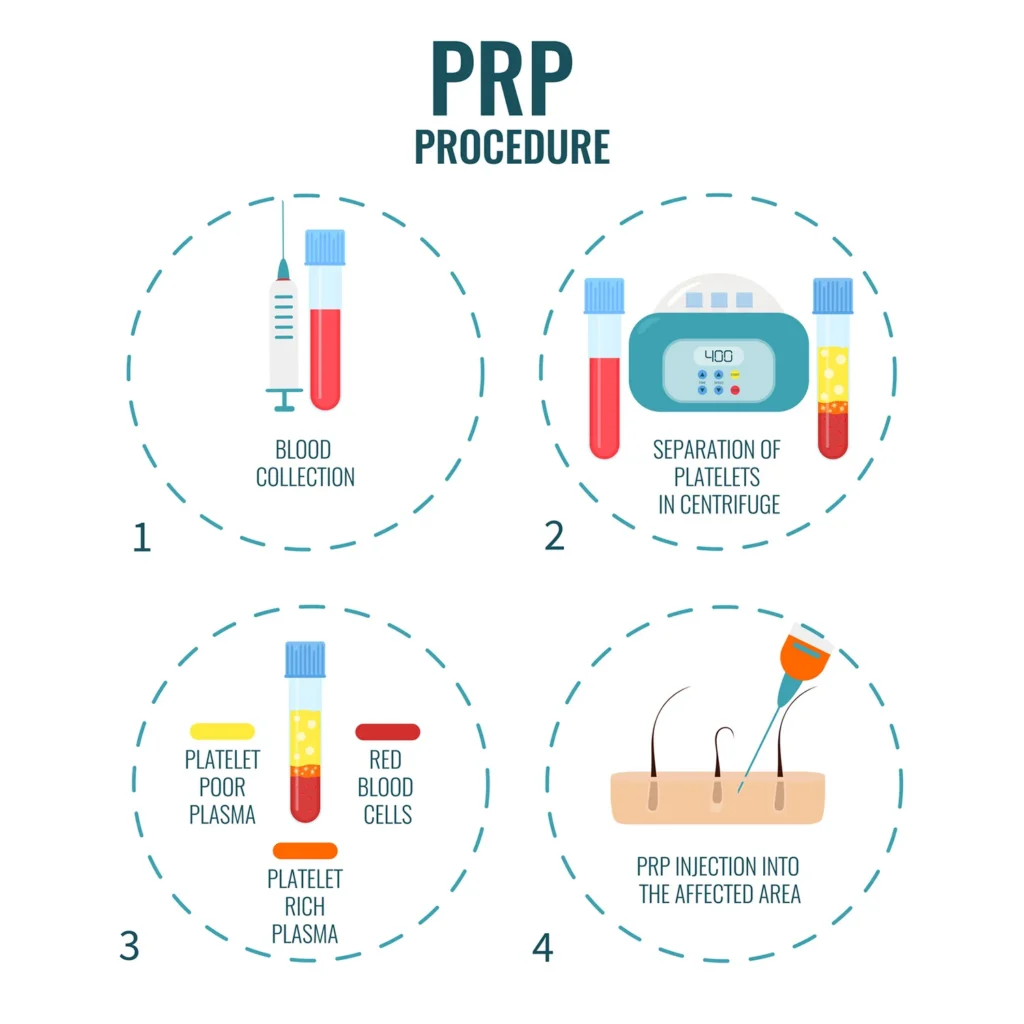
We begin by drawing a standard blood sample from a vein in your arm. This sample is immediately placed into a centrifuge, which spins rapidly to separate the red blood cells from the platelet-rich plasma. Once isolated, this potent PRP serum is directly injected into your injured tissue, occasionally utilizing image guidance for pinpoint accuracy.
Following the injection, we recommend resting in the clinic for 5 to 10 minutes before heading home.
It is normal to experience some mild soreness at the injection site for about 48 hours. If needed, you can take paracetamol (Panadol) for pain relief, but you must strictly avoid NSAIDs for 10 days post-treatment, as they can interfere with the healing process.
For optimal outcomes, we typically recommend a course of 2 to 3 injections spaced one week apart.
Because PRP utilizes your own biological material, it is a completely natural, drug-free therapy with no known adverse side effects. Furthermore, unlike traditional steroid injections, there is no cap on the number of PRP treatments you can safely receive.
Because PRP uses your body’s own natural cells, the risk of an allergic reaction, disease transmission, or tissue rejection is virtually zero. However, as with any injection-based therapy, there are a few localized side effects to be aware of:
- Post-Injection Flare: It is very common to experience soreness, stiffness, or mild swelling at the injection site for 48 to 72 hours. This temporary inflammation is actually a positive sign that your body’s healing cascade has been activated.
- Bruising: Minor bruising may occur either at the blood draw site on your arm or at the treatment site.
- Infection: As with any procedure that breaks the skin, there is a very small risk of infection. We adhere to strict, sterile protocols to minimize this.
- Discomfort: If you experience pain after the procedure, you can take paracetamol (Panadol) for relief, but you must strictly avoid NSAIDs for 10 days post-treatment, as they will stop the inflammatory healing process the PRP is trying to create.
To book an appointment, please give us a call on 03455577788 or use our online booking tool.
Hyaluronic acid injections
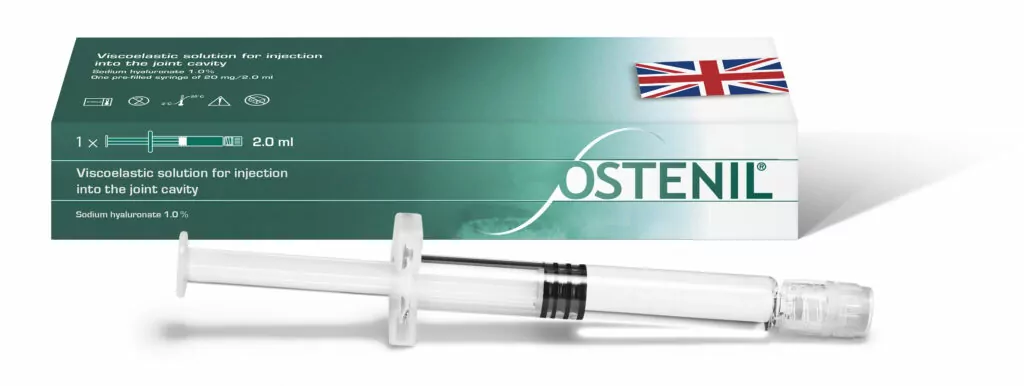
Hyaluronic acid injections are commonly used to address pain and stiffness associated with osteoarthritis in various joints, including:
- Knee osteoarthritis
- Ankle osteoarthritis
- Other synovial joints
Pain Reduction: Experience noticeable relief from joint pain, allowing for increased activity and improved quality of life.
Improved Mobility: Increased lubrication within the joint promotes smoother movement and reduces stiffness.
Temporary Relief: While Hyaluronic acid does not reverse cartilage damage, it provides temporary pain relief that can last for several months, and the treatment can be repeated as needed.
Low Risk Profile: As synthetic Hyaluronic acid is free from animal proteins, the risk of allergic reactions is minimal. Post-injection soreness is also rare.
Safer Alternative: Hyaluronic injections generally carry a lower risk of side effects compared to steroid injections.
To book an appointment, please give us a call on 03455577788 or use our online booking tool.
Corticosteroid Injections
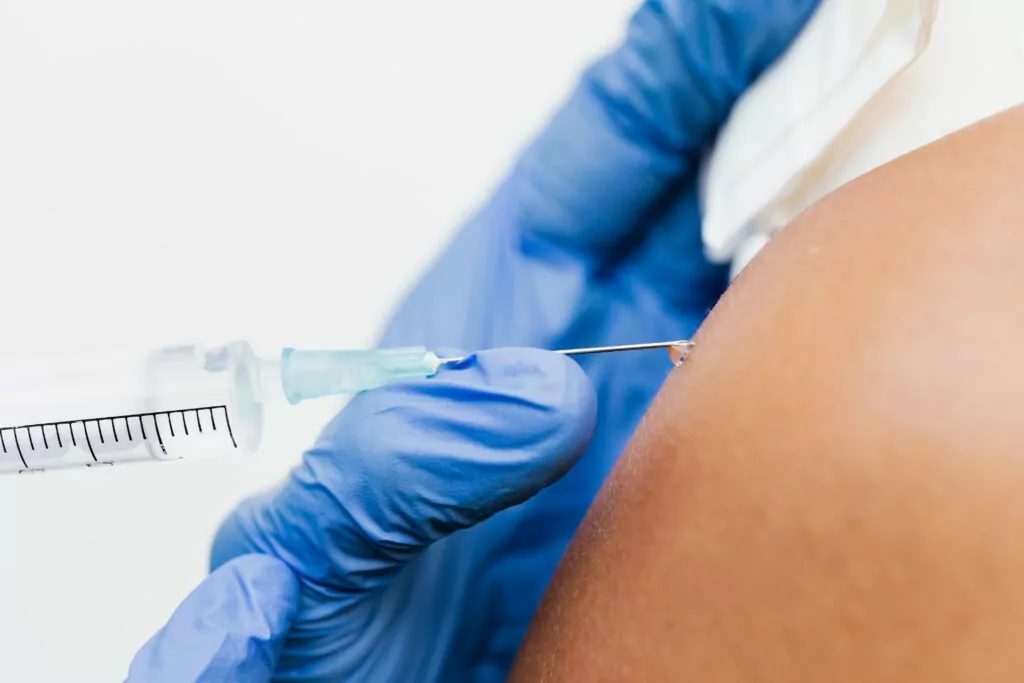
Cortisone injections offer a powerful and targeted approach to alleviate discomfort and improve your quality of life. These injections, containing a corticosteroid (sometimes combined with a local anaesthetic), work to reduce inflammation directly at the source of your pain.
Cortisone injections are often used to manage pain associated with:
- Arthritis (osteoarthritis, rheumatoid arthritis)
- Bursitis
- Tendonitis
- Carpal tunnel syndrome
- Other inflammatory joint and soft tissue conditions
- Relief typically begins within a few days, with the full effects becoming apparent within a few weeks.
- Numbness from the local anesthetic will subside within a few hours.
- The duration of pain relief varies, ranging from several weeks to months, and in some cases, may resolve the issue entirely.
To book an appointment, please give us a call on 03455577788 or use our online booking tool.
Joint Aspiration
Joint aspiration or ‘Arthrocentesis’, is a minimally invasive procedure that can provide both relief and valuable diagnostic information. This simple technique involves drawing fluid from your joint using a needle, effectively reducing swelling and pain.
- Preparation: The skin around the joint is sterilized, and a topical anesthetic is applied to numb the area.
- Guidance: If necessary, imaging technology like ultrasound or fluoroscopy may be used to precisely locate the joint capsule.
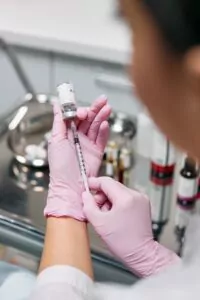
- Aspiration: A needle attached to a syringe is inserted into the joint, and fluid is carefully withdrawn. Multiple syringe changes may be needed.
- Optional Injection: If required, medication, such as cortisone, platelet-rich plasma, or viscosupplementation, can be injected into the joint using the same needle and pathway.
- Fluid Analysis: The aspirated fluid can be sent to a laboratory for analysis, providing valuable diagnostic insights.
- Arthrocentesis offers both therapeutic and diagnostic benefits:
- Pain Relief: Removing excess fluid reduces swelling and alleviates joint pain.
- Preparation for Treatment: It creates space for therapeutic injections, such as cortisone, PRP, BMAC, or viscosupplementation.
- Diagnostic Insights: Analyzing the aspirated fluid can help identify:
- Infections (bacteria, high white blood cell count)
- Injuries (joint bleeding)
- Crystal deposits (gout, pseudogout)
- Infection
- Bleeding from blood vessel injury
- Allergic reactions to anesthesia
Empowering Your Joint Health:
To book an appointment, please give us a call on 03455577788 or use our online booking tool.
Clinical Investigations & Diagnostic Ultrasound Imaging
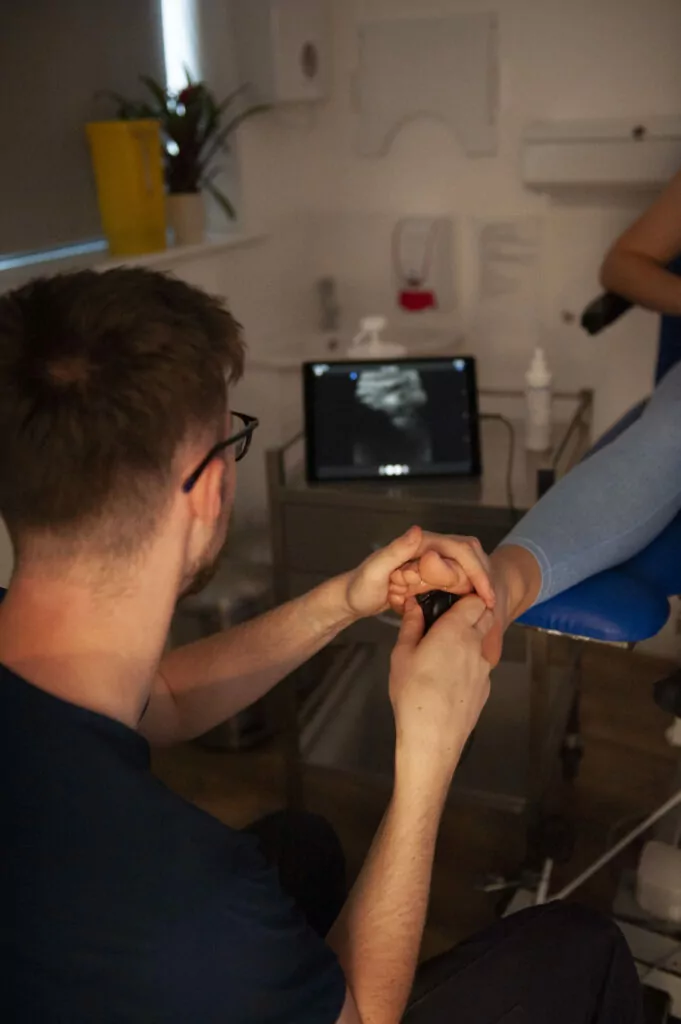
MSK Ultrasound can help to diagnose a range of injuries and chronic conditions, including:
- Tendinopathy
- Plantar Fasciopathy
- Muscle strains/tears
- Bursitis
- Joint problems such as Osteo-arthritis
- Masses such as tumors and cysts
To book an appointment, please give us a call on 03455577788 or use our online booking tool.