
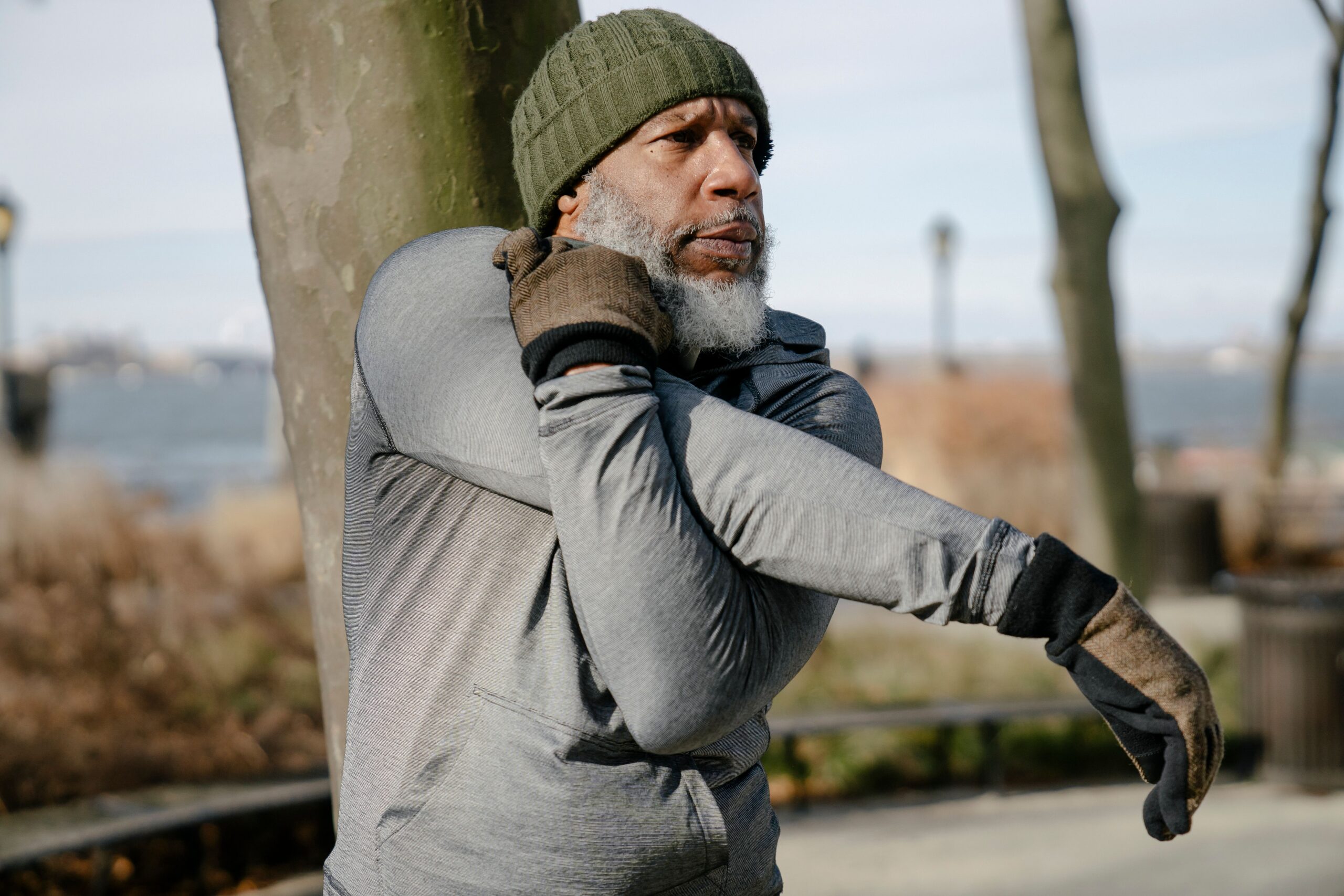
As autumn approaches and temperatures begin to drop, many people notice changes in how their joints feel. Stiffness in the morning, aching knees on a chilly walk or discomfort in the hands can make everyday movement feel more challenging.
If you experience joint pain in cold weather, you’re not alone. But does colder weather really cause joint pain, and how can you stay comfortable and mobile through winter?
The good news is that there are practical ways to support your joints during the colder months. With regular movement, appropriate exercise and a little preparation, you can continue enjoying the activities that matter to you.
Does cold weather cause joint pain?
Many people with arthritis report that their symptoms change with the weather. However, the relationship between temperature, weather conditions and joint pain is complex.
A systematic review investigated the relationship between weather conditions and rheumatoid arthritis symptoms. The research highlights that weather-related symptoms are not straightforward and can vary between individuals.
Cold weather may also encourage us to move less, spend more time indoors or avoid activities we usually enjoy. These changes in routine can contribute to stiffness and reduced mobility.
Rather than assuming cold temperatures will directly damage your joints, it’s helpful to focus on what you can do to keep your body moving comfortably.
Practical ways to prepare your joints for winter
1. Keep moving regularly
When the weather is cold and wet, it’s tempting to spend more time indoors. However, regular movement is one of the most useful ways to support joint health.
Walking, swimming, cycling, Pilates and gentle strengthening exercises can all help maintain mobility. If outdoor exercise becomes less appealing, try breaking activity into shorter sessions throughout the day.
For people with osteoarthritis, research supports exercise as an important part of managing pain and physical function. A 2023 review published in The Lancet found that therapeutic exercise produced improvements in pain and physical function compared with non-exercise controls.
2. Warm up before activity
Cold mornings can make your body feel stiffer, particularly if you already experience arthritis or joint pain.
Before heading out for a walk or starting exercise, spend a few minutes moving gently. Try:
- Walking slowly around the house.
- Gentle ankle, knee or shoulder movements.
- Gradually increasing the pace of your activity.
A warm-up can help you feel more comfortable and prepare your body for movement. There’s no need to force stretches or push through pain.
3. Build strength to support your joints
Strong muscles help support your joints and make everyday activities easier.
Strengthening exercises can be particularly valuable for people experiencing knee or hip discomfort. A review published in Arthritis & Rheumatology found that resistance training improved muscle strength, physical performance and several measures of symptoms in people with knee osteoarthritis.
A physiotherapist can help you choose exercises that suit your current ability, whether you’re starting from scratch or returning to activity after a flare-up.
4. Dress warmly and choose comfortable footwear
Keeping warm can make it easier to stay active during winter. Wear layers, gloves and suitable footwear when exercising outdoors.
If icy paths or uneven ground are a concern, choose safer routes and allow extra time. Supportive, comfortable shoes can also help you feel more confident when walking.
These measures won’t necessarily prevent arthritis, but they can make everyday movement more manageable.
5. Listen to your body
Joint pain in cold weather can feel different from one person to another. Some people notice increased stiffness, while others experience little change.
Research on weather and joint pain is mixed. A 2024 review found no consistent association between temperature, humidity, air pressure or precipitation and the risk of rheumatoid arthritis, knee or hip pain, or low back pain.
If your symptoms change during winter, pay attention to what helps. You may find that gentle movement, warmth, regular rest and pacing your activities make a difference.
How physiotherapy can help
If joint pain or stiffness is affecting your daily life, physiotherapy can help you understand what’s contributing to your symptoms and develop a plan to improve movement.
At Osteo & Physio, our experienced clinicians take a personalised approach to musculoskeletal care. Treatment may include hands-on therapy, tailored exercises, strength and mobility work, and advice on managing activities.
Whether you’re experiencing knee pain, hip stiffness or general mobility difficulties, the aim is to help you stay active and confident throughout the year.
Keep moving through the colder months
Winter doesn’t have to mean putting your favourite activities on hold. With a little preparation, regular movement and attention to your body’s needs, you can support your joints and maintain mobility throughout the season.
If pain is persistent, worsening or limiting your everyday activities, professional assessment can help you understand the cause and explore appropriate treatment options.
Ready to take care of your joints this winter?
Book an appointment with Osteo & Physio and take the next step towards comfortable, confident movement.
This article is for general information and does not replace individual medical advice. If you have a new, severe or swollen joint, or symptoms that are worsening, seek appropriate medical assessment.