
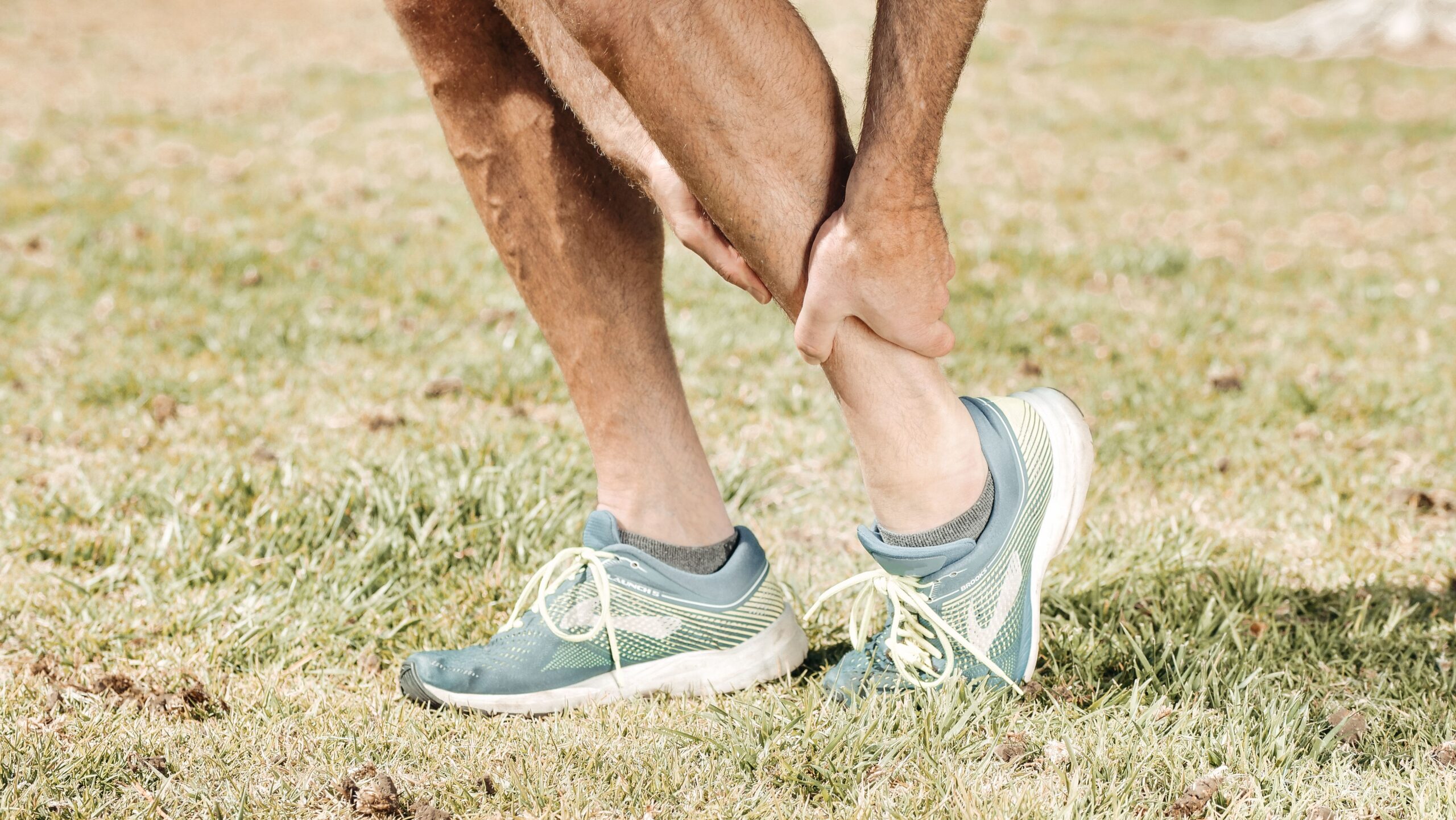
Regular exercise and physical activity are among the best things you can do for your health. Whether you’re running, cycling, playing tennis, lifting weights, or simply enjoying a more active lifestyle, movement offers countless physical and mental benefits.
However, when activity levels increase without adequate recovery, the body can begin to show signs of strain. Over time, this can lead to overuse injuries—one of the most common reasons active adults seek physiotherapy.
Understanding how these injuries develop and recognising the early warning signs can help you stay active and avoid longer-term problems.
What Are Overuse Injuries?
Unlike acute injuries, which happen suddenly following a fall or accident, overuse injuries develop gradually. They occur when repeated stress is placed on muscles, tendons, joints, or ligaments without giving the body sufficient time to recover and adapt.
Common examples include:
- Achilles tendinopathy
- Tennis elbow
- Runner’s knee
- Shoulder impingement
- Plantar fasciitis
- Tendon pain from exercise
These conditions often begin with mild symptoms that are easy to dismiss. However, ignoring them can lead to persistent pain and prolonged recovery.
Why Do Overuse Injuries Happen?
Overuse injuries rarely have a single cause. Instead, they are usually the result of several contributing factors working together. These may include:
- Increasing training volume too quickly
- Poor movement mechanics
- Muscle weakness or imbalance
- Reduced flexibility or mobility
- Inadequate recovery between sessions
- Unsuitable footwear or training surfaces
One of the most common causes is doing “too much, too soon.” While enthusiasm is positive, tissues need time to adapt to increased demands.
Recognising the Early Warning Signs
Listening to your body is one of the most effective forms of overuse injury prevention.
Early symptoms may include:
- Mild pain during or after exercise
- Morning stiffness
- Localised tenderness
- Reduced range of movement
- Pain that repeatedly returns during activity
These signs shouldn’t be ignored. Research shows that early intervention can prevent minor irritation from progressing into chronic conditions or more significant injuries.
Practical Strategies for Overuse Injury Prevention
Progress Gradually
A sudden increase in activity can overload tissues before they have adapted. Increasing training gradually allows muscles, tendons, and joints to become stronger over time.
Prioritise Recovery
Rest days are just as important as training days. Sleep, hydration, and adequate recovery all play a vital role in tissue repair and injury prevention.
Include Strength Training
Strong muscles provide support for joints and tendons. A well-designed exercise programme can help improve resilience and reduce the likelihood of repetitive strain injuries.
Warm Up and Cool Down
Preparing the body before exercise and allowing it to recover afterwards helps maintain flexibility and movement quality.
Address Pain Early
Pain is information, not something to push through. Persistent discomfort should be assessed before it develops into a more serious problem.
How Physiotherapy Can Help
Modern physiotherapy focuses on more than simply treating pain. At Osteo & Physio, our clinicians aim to identify the underlying factors contributing to injury through a comprehensive assessment of strength, mobility, posture, and movement patterns.
Treatment may include:
- Hands-on therapy
- Tailored rehabilitation exercises
- Strength and conditioning advice
- Movement retraining
- Guidance on managing training loads
This personalised approach helps not only relieve symptoms but also reduce the risk of recurrence.
For active individuals and athletes, preventative physiotherapy can play an important role in maintaining long-term musculoskeletal health and supporting performance.
Stay Active with Confidence
Experiencing occasional aches and pains doesn’t necessarily mean you need to stop exercising. In fact, staying active is often part of the solution. The key is finding the right balance between activity, recovery, and progression.
By understanding the causes of overuse injuries and responding to the body’s early warning signs, you can continue enjoying the activities you love while protecting your long-term health.
Need Support?
If recurring aches, tendon pain, or repetitive strain injuries are affecting your ability to stay active, our experienced team is here to help.
Learn more about our services:
Or book an appointment today.
Because staying active shouldn’t mean living with pain.