
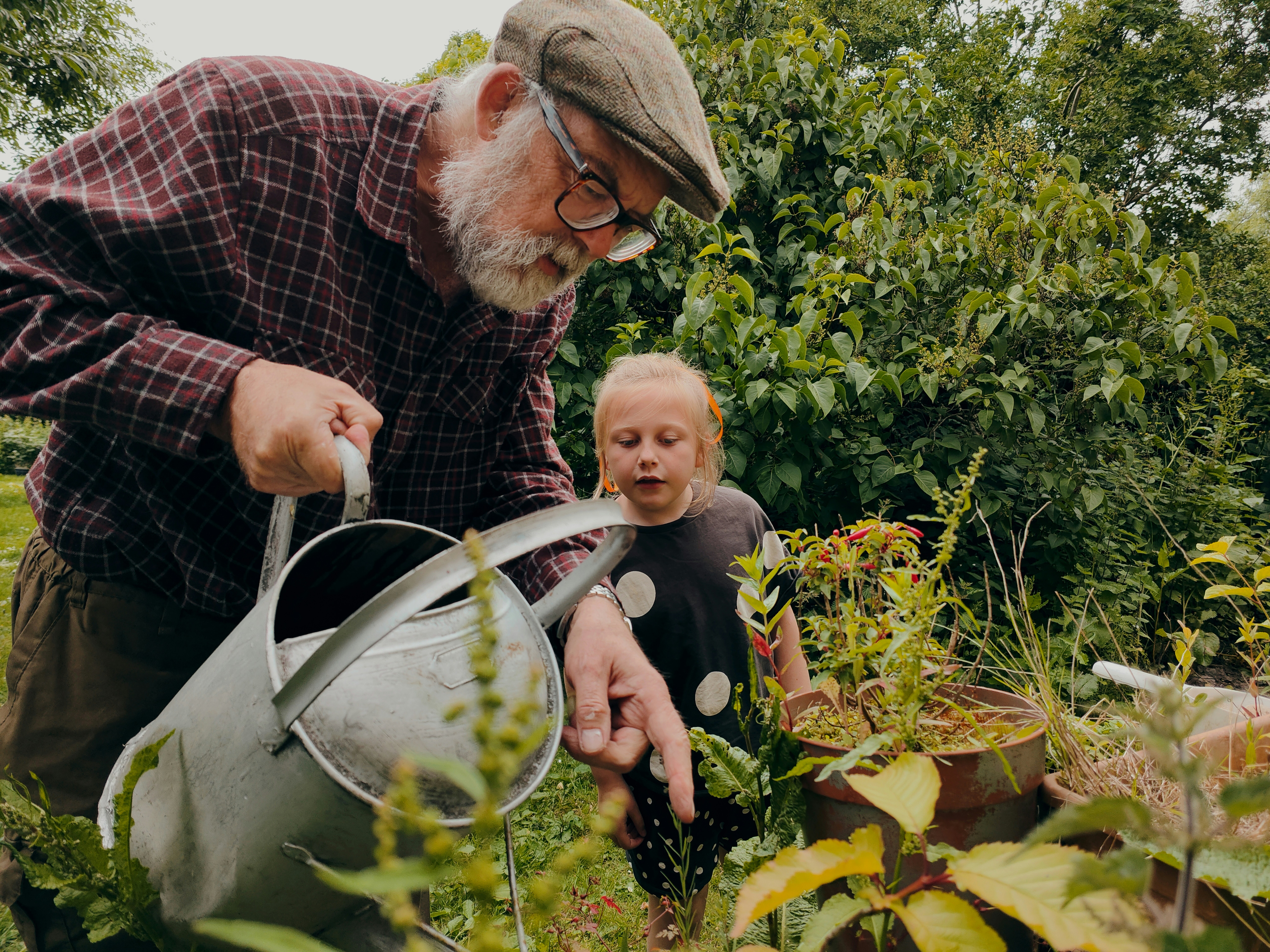
For many people, the arrival of spring and summer means one thing: time back in the garden. Whether you’re planting flowers, trimming hedges, mowing the lawn or preparing vegetable beds, gardening is a rewarding way to stay active and enjoy the outdoors.
However, after a long winter of reduced activity, the sudden increase in bending, lifting and repetitive movements can place significant strain on the body. At Osteo & Physio, we often see more people struggling with back, knee and shoulder pain during the gardening season.
The good news is that with a few simple precautions and an awareness of how your body moves; gardening can remain an enjoyable and healthy activity.
Why Gardening Can Trigger Aches and Pains
Gardening involves many movements that challenge the body: prolonged kneeling, twisting while lifting, reaching overhead, and repetitive digging or pruning. When these activities are performed for long periods – particularly if muscles and joints are not used to them – strain can develop.
Common gardening-related complaints include:
- Lower back pain after digging or lifting
- Knee discomfort from prolonged kneeling
- Shoulder or neck tension from pruning or hedge trimming
- Wrist or elbow irritation from repetitive gripping tools
These issues often arise not from one major injury but from repetitive strain and poor movement habits over time.
Start Slowly After Winter
It’s tempting to tackle a long list of gardening tasks in one go, especially when the weather improves. However, like any physical activity, it’s important to build up gradually.
If you haven’t been very active during winter, your muscles and joints may need time to adapt. Start with shorter sessions and increase the duration over several days or weeks. Alternating tasks – for example switching between planting, pruning and light watering – can also reduce strain on the same muscles.
Protect Your Back When Lifting
Lifting heavy pots, bags of compost or watering cans is one of the most common causes of back strain in the garden.
When lifting:
- Bend through your hips and knees, not your back
- Keep the load close to your body
- Avoid twisting while carrying weight
- Break heavy loads into smaller amounts where possible
Using wheelbarrows or garden trolleys can also reduce unnecessary strain.
Vary Your Position
Spending long periods in one posture can lead to stiffness and joint irritation. Try to change positions regularlywhen gardening.
If you’re kneeling for planting or weeding, use a kneeling pad or low gardening stool and stand up periodically to stretch your legs and back. When working at ground level, consider using long-handled tools to avoid constant bending.
Small adjustments like these can significantly reduce pressure on your joints.
Take Regular Movement Breaks
Gardening often involves becoming absorbed in a task and forgetting how long you’ve been working. Taking short breaks every 20–30 minutes allows muscles to relax and circulation to improve.
Simple stretches – such as gently straightening your back, rolling your shoulders or walking around the garden – can prevent stiffness building up.
Staying hydrated and pacing your activity can also help maintain energy levels and reduce fatigue.
Strength and Mobility Matter
Gardening places demands on the body that require both mobility and strength. Core stability, hip mobility and shoulder strength all play a role in protecting the spine and joints during physical tasks.
Regular exercise such as walking, Pilates, or simple strengthening routines can help build resilience and reduce the risk of injury when gardening.
When to Seek Professional Advice
If you experience persistent pain after gardening – particularly back pain, shoulder discomfort or knee problems that don’t improve with rest – it may be helpful to seek professional assessment.
At Osteo & Physio, our osteopaths assess posture, joint mobility and movement patterns to identify the underlying causes of discomfort. Gentle hands-on treatment, combined with practical advice and exercises, can help reduce strain and support recovery.
Enjoy the Garden Without the Pain
Gardening is a wonderful way to stay active, reduce stress and spend time outdoors. By pacing your activity, using good lifting techniques and paying attention to posture, you can protect your back and joints throughout the season.
With the right approach, your garden can remain a place of enjoyment, not discomfort, all year round.