
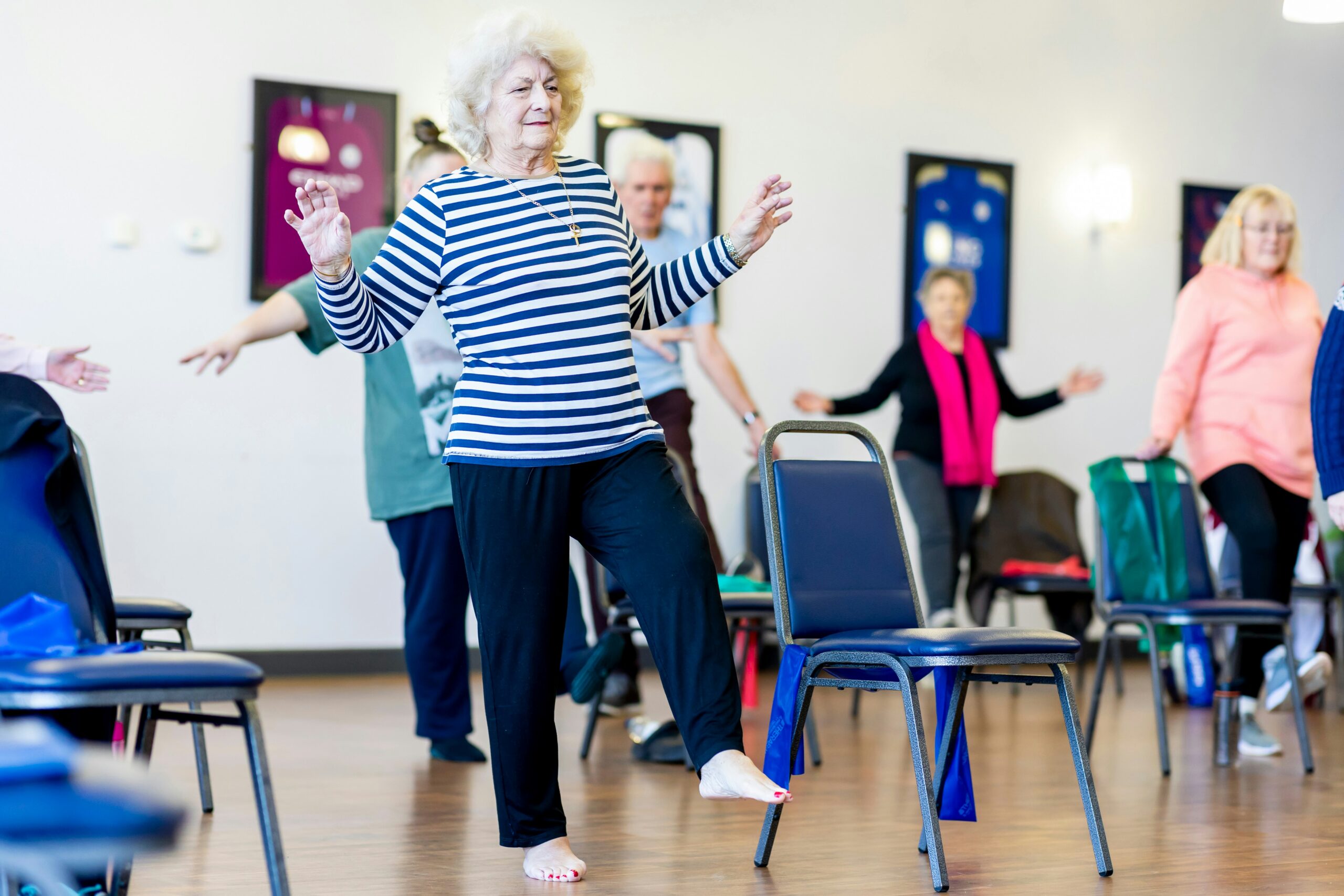
As the days grow longer and the weather begins to brighten across the UK, spring naturally encourages us to get moving again. Whether it’s returning to regular walks, getting back into the garden, restarting an exercise routine, or simply enjoying more time outdoors, this seasonal shift often brings a welcome boost in activity.
But after a quieter winter, it’s important to approach movement with care. A sudden increase in activity can place extra strain on muscles, joints, and connective tissues, sometimes leading to avoidable aches, stiffness, or injury.
At Osteo & Physio, we often see a rise in spring-related musculoskeletal issues at this time of year. The good news is that with the right approach, you can get active safely, protect your body, and enjoy all the benefits of movement with confidence.
Why Spring Is the Perfect Time to Restart Movement
Spring is one of the best times to rebuild healthy movement habits. Warmer weather and lighter evenings make it easier to stay motivated, and even gentle increases in daily activity can support:
- Improved joint mobility
- Better circulation
- Increased strength and balance
- Reduced stiffness
- Better mood and energy levels
This is particularly valuable for those looking for gentle exercise over 50, where maintaining mobility and preventing deconditioning becomes increasingly important. The key is not to do too much too soon!
Start Slowly and Build Gradually
One of the most effective spring exercise tips patients can follow is to increase activity gradually. If you’ve been less active over winter, your muscles and joints may need time to adapt. Going straight into long walks, intense workouts, or heavy gardening sessions can overload tissues that are not yet conditioned.
A good rule is to start with manageable sessions:
- 10 to 20-minute walks
- gentle stretching
- low-impact cycling
- light strength exercises
- mobility-focused movement
Increase duration or intensity by small amounts each week rather than making large jumps. Consistency is far more beneficial than intensity.
Prioritise Mobility Before Activity
Before increasing your activity levels, it’s worth spending a few minutes preparing your body. Simple mobility exercises can help improve joint movement and reduce the risk of strain. Focus on:
- neck and shoulder rolls
- spinal twists
- hip circles
- ankle mobility
- gentle hamstring and calf stretches
This is where osteopathy for mobility can be especially helpful. If stiffness, previous injuries, or recurring pain are limiting your movement, professional assessment and hands-on treatment can help restore range of motion and make activity feel easier.
Don’t Ignore Early Warning Signs
Mild muscle soreness after renewed activity is normal. However, persistent pain, sharp discomfort, swelling, or pain that worsens with movement may indicate overload or injury.
Early signs often include:
- lower back stiffness after walking
- knee pain on stairs
- shoulder discomfort after gardening
- neck tension from cycling or running posture
Addressing symptoms early is one of the best forms of injury prevention exercise. The sooner issues are identified, the easier they are to manage before they become long-term problems.
Strength and Balance Matter
Mobility alone is only part of staying active safely. Supporting muscles need strength to protect joints and improve movement control. Simple bodyweight exercises can help build resilience, such as:
- sit-to-stands
- supported squats
- wall push-ups
- calf raises
- step-ups
For adults seeking gentle exercise over 50, improving balance is equally important. Single-leg stands, heel-to-toe walking, and guided physiotherapy exercises can reduce fall risk and improve confidence.
Listen to Your Body
Perhaps the most important advice is to work with your body, not against it. Rest days are part of progress. Recovery allows tissues to adapt and strengthen. If a particular activity consistently causes discomfort, it may be worth adjusting technique, reducing load, or seeking professional advice.
At Osteo & Physio, we help patients return to activity safely through tailored treatment plans, mobility work, and practical rehabilitation advice. Spring is a wonderful opportunity to move more, feel stronger, and rebuild confidence in your body!
If pain or stiffness is holding you back, our team is here to help you take the next step safely and comfortably.
Ready to move with confidence this spring?
Get in touch to book an assessment and personalised treatment plan.